

VOLKSWAGEN TIGUAN 2024: PROBLEMS, DEFECTS AND FAILURES – COMPLETE GUIDE
Updated 2026 – Technical analysis by Gianni Tritella on Volkswagen Tiguan MK3 (2024-2026), EA211 EVO2 and EA288 EVO engines, based on real owner reports and workshop cases
Quick Answer
The Volkswagen Tiguan MK3 (2024-2026) is the third generation of Europe's best-selling SUV. Engine range: 1.5 eTSI mHEV 130/150 hp (DXDC/DXDB codes, EA211 EVO2 engine), 2.0 TDI 150/193 hp (DXPA/DXNB, EA288 EVO), 1.5 TSI eHybrid 204/272 hp (DUCB/DUCA). Transmission: DSG DQ381-7F (mHEV/diesel), DQ400e-6F (eHybrid). Most reported problems in the first 18 months: DSG cold jerking (software calibration, free fix), 1.5 eTSI kangaroo effect below 2,000 rpm (ACT system), clogged 2.0 TDI DPF in urban use (€80-150 regeneration, €800-1,500 replacement), MIB4 infotainment with sporadic crashes, flat 12V battery on eHybrid while charging. Engine oil: 0W-20 VW 508.00/509.00 for almost the entire range; exception 2.0 TDI 193 hp 4Motion (DXNB) requires 0W-30 VW 504.00/507.00.
The Volkswagen Tiguan 2024 is the third generation of one of Europe's best-selling SUVs — technologically advanced, well-built, with a comprehensive engine range from the 1.5 eTSI mild-hybrid to the 2.0 TDI and eHybrid plug-in versions. However, like any new model with a complex electronic architecture, the first years of sales have already highlighted recurring problems worth knowing before purchasing one or managing it over time.
In this guide, you'll find the real problems reported by Italian owners: from the DSG DQ381 transmission to intrusive ADAS, from the 1.5 eTSI kangaroo effect to the diesel DPF, from the MIB4 infotainment to the critical issues of the plug-in hybrid system. With symptoms, DTC codes, causes, costs, and links to dedicated in-depth analyses.
🚙 1. WHAT ENGINE RANGE DOES THE TIGUAN MK3 HAVE?
The third-generation Tiguan (launched Q1 2024) is based on the MQB Evo platform and uses the new VW E³ 1.2 electronic architecture. The Italian 2024-2026 engine range is as follows:
| Engine | Code | Power | Transmission | Family |
|---|---|---|---|---|
| 1.5 eTSI 130 mHEV | DXDC | 96 kW (130 hp) | DSG DQ381-7F | EA211 EVO2 |
| 1.5 eTSI 150 mHEV | DXDB | 110 kW (150 hp) | DSG DQ381-7F | EA211 EVO2 |
| 2.0 TDI 150 | DXPA | 110 kW (150 hp) | DSG DQ381-7F | EA288 EVO |
| 2.0 TDI 193 4Motion | DXNB | 142 kW (193 hp) | DSG DQ381-7A | EA288 EVO |
| 1.5 eHybrid 204 | DUCB | 150 kW (204 hp) | DSG DQ400e-6F | EA211 EVO2 PHEV |
| 1.5 eHybrid 272 | DUCA | 200 kW (272 hp) | DSG DQ400e-6F | EA211 EVO2 PHEV |
| 2.0 TSI R 4Motion | DNPB | 195 kW (265 hp) | DSG DQ381-7A | EA888 EVO4 |
The engine code is the most important piece of data for identifying the correct oil specification and spare parts. You can find it on the vehicle registration document ("engine type" field) or on the sticker in the engine bay.
⚠️ 2. OVERVIEW OF PROBLEMS BY AREA
| Area | Main problem | Severity | Affected versions |
|---|---|---|---|
| DSG DQ381 Transmission | Jerks and stutters at low speeds when cold | Medium | All versions with DQ381 |
| 1.5 eTSI Engine | Kangaroo effect below 2,000 rpm | Medium | DXDC and DXDB with ACT system |
| 2.0 TDI Engine | DPF clogged in urban use, dirty EGR | Medium | DXPA and DXNB |
| ADAS and active safety | Intrusive Travel Assist, false positives | Low (manageable) | All versions |
| MIB4 Infotainment | Crashes, sluggishness, unstable Android Auto | Low (software) | All versions |
| eHybrid System | Flat 12V battery, unstable charging | Medium | DUCB and DUCA |
| Panoramic roof | Water infiltration, clogged drains | Low | Versions with panoramic roof |
🔄 3. DSG DQ381 TRANSMISSION: JERKS, SHUDDERS AND CALIBRATION
The DQ381-7F DSG dual-clutch transmission (code 0GC) fitted to the mHEV and diesel versions of the Tiguan MK3 is one of the best automatics available in the segment — fast, efficient, and smooth in normal use. But in certain urban driving conditions, especially when cold and during slow maneuvers, a percentage of owners report behavior that deviates from expectations.
Most reported symptoms
- Jerk or shudder when starting from a standstill when cold — the DSG takes 2-3 seconds to "understand" the driver's intention and responds with a small jolt instead of smooth progression
- 1st-2nd gear hesitation during slow maneuvering — typical of wet dual-clutch DSGs during warm-up (the first 5-8 km)
- Inconsistent behavior in managing the clutch engagement phase in reverse on a slope
- After 60,000 km: more pronounced jerks or imprecise shifts — a sign that the transmission fluid needs replacement
Causes and solutions
In most cases, it is not a mechanical failure but rather a suboptimal software calibration for Italian urban use. Volkswagen has already released firmware updates for the DSG on the Tiguan MK3 — the first check to make is to verify at the dealership that the transmission software is updated to the latest available version (a free service under warranty).
If the problem persists after the update, the most frequent cause is the transmission fluid needing replacement. Although stated as "sealed for life" by VW in some documents, common workshop practice recommends changing the DSG oil every 60,000 km — especially for cars with intensive urban use. VW Technical Bulletin TSB 34-19-01 also recommends resetting TCU adaptations at the first signs of symptoms.
Technical in-depth analysis: TIGUAN 2024 — DSG TRANSMISSION: JERKS, SHUDDERS AND WHAT TO DO

VALVOLINE GEAR OIL 75W GL-4 – DSG TRANSMISSION OIL
The DSG oil change every 60,000 km is the most effective preventative measure to maintain smooth shifts on the Tiguan MK3. Valvoline Gear Oil 75W GL-4 is formulated for DQ381 and similar dual-clutch automatic transmissions, maintaining stable viscosity when cold and reducing internal mechatronic friction. Full workshop service cost: €150-280.
🛒 Buy on Autoricambi Tritella⚙️ 4. 1.5 eTSI ENGINE: KANGAROO EFFECT AND ACT SYSTEM
The 1.5 eTSI mild-hybrid 48V engine (EA211 EVO2 family) is the most common engine on the Tiguan MK3 in Italy, available in 130 hp (DXDC) and 150 hp (DXDB) variants. The two versions differ only in software (same hardware). It is a modern, efficient, and responsive engine, with an ACT (Active Cylinder Technology) cylinder deactivation system that switches from 4 to 2 active cylinders at certain RPMs to save fuel.
This very ACT technology is at the root of the most reported problem: the so-called kangaroo effect — a series of micro-hesitations or small jerks during low-speed driving, below 2,000 rpm, particularly noticeable in urban traffic and queues.
Why it happens
The transition between 4-cylinder and 2-cylinder modes is managed by the ECU based on load and RPM parameters. When driving conditions change rapidly — quick accelerations and decelerations like those in city traffic — the ECU struggles to manage the transition seamlessly, producing the micro-hesitations perceptible to the driver.
Volkswagen has released software updates that mitigate the phenomenon, but in some conditions, the kangaroo effect remains noticeable even after the update — especially with the DSG transmission in automatic mode at low RPMs. Another critical issue reported on the 1.5 eTSI is the premature wear of the timing chain between 80,000 and 120,000 km, with typical symptoms of metallic knocking on cold start and DTC codes P0008/P0016 (crankshaft-camshaft timing correlation).
⚠️ Practical tip: if the kangaroo effect is annoying in daily traffic, try setting the DSG transmission to Sport mode instead of Auto — in Sport, the ACT system is less aggressive in cylinder deactivation. This doesn't structurally solve the problem but makes it less noticeable in urban driving.
Technical in-depth analysis with diagnosis and solutions: VW 1.5 TSI EVO – KANGAROO EFFECT: CAUSES, DIAGNOSIS AND SOLUTIONS
💨 5. 2.0 TDI ENGINE: DPF, EGR AND LAMBDA SENSORS
The 2.0 TDI diesel versions (EA288 EVO family) are excellent for out-of-town and highway use: 150 hp code DXPA with front-wheel drive and 193 hp code DXNB with 4Motion all-wheel drive. They offer great performance but share the typical problems of all modern diesels with DPF when used primarily in the city.
DPF — diesel particulate filter
Several Italian owners have reported premature DPF clogging even under 50,000 km on cars used predominantly in the city. Typical DTC codes are P2002 (DPF efficiency below threshold) and P2003 (insufficient filter efficiency). The reason is the same for all modern diesels: short trips do not allow for spontaneous filter regeneration, and each interrupted regeneration leaves the filter a little more saturated.
Symptoms: DPF warning light on, progressive loss of power, increased fuel consumption, limp mode in more advanced cases. The solution in most cases is a forced regeneration in the workshop (€80-150) before considering replacement (€800-1,500).
EGR — exhaust gas recirculation valve
The EGR on the Tiguan's 2.0 TDI gets clogged more quickly with intensive urban use — same logic, same symptoms: progressive loss of power, rough idle, gray smoke, engine warning light with code P0401 (insufficient EGR flow). Preventative cleaning every 60,000-80,000 km avoids replacement (€350-600).
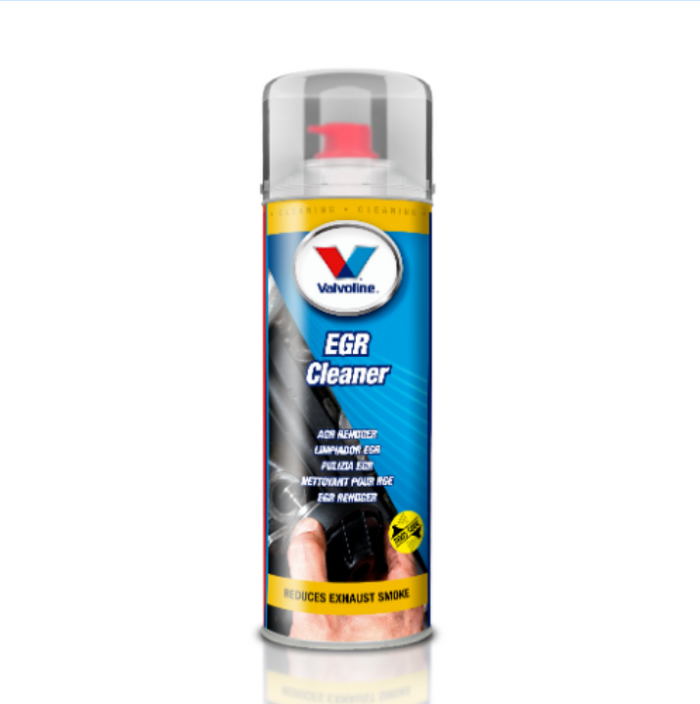
VALVOLINE 887071 – EGR VALVE CLEANER 500 ML
Professional cleaner compatible with both gasoline and diesel engines. Dissolves carbon deposits, soot, and resins on the EGR valve and in the intake ducts of the 2.0 TDI EA288 EVO. Restores correct EGR flow, reduces fuel consumption, and prevents the engine light with code P0401 from coming on. Preventative use recommended every 30,000-40,000 km in intense urban use. Spray to be applied to a warm engine directly into the intake duct.
🛒 Buy now on Autoricambi TritellaLambda sensors
Lambda sensor malfunctions have been reported on 2.0 TDI engines after 100,000 km — engine light on with codes related to mixture richness: P0130 (front sensor 1 malfunction), P0136 (rear sensor 2), P0141 (sensor 2 heater), P2237 (front sensor circuit). In most cases, it's a simple replacement (€150-300 per sensor) but requires an OBD diagnostic to identify which sensor is involved.
💡 Workshop tip: if you primarily use your Tiguan 2.0 TDI in the city, drive at least 30-40 minutes on an extra-urban route every 2-3 weeks to allow spontaneous DPF regeneration. It costs nothing and prevents the most frequent problem on this engine in urban use.
BEST DIESEL INJECTOR CLEANER 2026 – COMPLETE GUIDE
The definitive guide to the best Diesel injector cleaners 2026: real tests, differences between additives, results on engines with dirty injectors on the Tiguan's 2.0 TDI EA288 EVO.
📘 Read the complete guide📡 6. ADAS TRAVEL ASSIST: WHEN THEY BECOME INVASIVE
The Tiguan MK3 comes standard with one of the most comprehensive Level 2 ADAS packages in its segment: Travel Assist (adaptive cruise control + lane keeping), Lane Assist, Emergency Assist, automatic emergency braking, blind spot detection, Park Assist Pro with remote parking via smartphone.
The problem reported by many Italian owners in the first few weeks of use is not a malfunction — it is an excess of factory sensitivity that manifests as perceived intrusiveness: steering interventions in curves with Lane Assist, automatic braking without real obstacles during maneuvering, unintended activation of Emergency Assist during momentary stops.
How to manage it
Almost all ADAS systems in the Tiguan MK3 are customizable in their sensitivity levels through the MIB4 infotainment menus. Once configured according to the driver's preferences, intrusiveness problems are drastically reduced. Systems to be configured immediately after purchase:
- Lane Assist: sensitivity level from "strong" to "light"
- Travel Assist: cornering behavior ("comfort" mode instead of "aggressive")
- Emergency Assist: activation timer
- Automatic braking: intervention threshold
Important: due to European regulation GSR2, some systems (automatic braking, Lane Assist) reactivate at every engine start regardless of user preferences. This is a legal requirement, not a bug.
Complete guide to configuration with MIB4 menu paths: TIGUAN 2024 INVASIVE ADAS: NORMAL BEHAVIOR OR MALFUNCTION?
🖥️ 7. MIB4 INFOTAINMENT: BUGS AND SLOWNESS
The MIB4 system in the Tiguan MK3 is the most advanced ever installed in a Volkswagen — a 12.9" central screen (up to 15" optional), a 10.25" digital cockpit, almost complete vehicle management via touch. It is also the system that generated the most negative reports in the first months of use.
Common reported problems
- Sudden crashes with black screen and restart — more frequent in the first weeks, often resolved with progressive OTA updates
- Slowness in system startup after ignition — 8-15 seconds of waiting before the interface is fully operational
- Unstable Android Auto and Apple CarPlay — sudden disconnections, lag in mirroring, compatibility issues with some smartphones
- Parking sensors with false positives — audible alerts without real obstacles, especially with front sensors in rainy conditions
- Unresponsive touch controls in extreme temperature conditions (below -5°C or above 35°C)
What to do
The first step is always to check that the MIB4 software is updated to the latest available version — VW releases periodic OTA updates that resolve most reported bugs. If the problem persists, a visit to the dealership with a specific module diagnostic is the next step. A weak 12V battery can also cause abnormal MIB4 behavior: resting voltage must always be ≥ 12.4V.
🔋 8. eHYBRID VERSIONS: SPECIFIC CRITICALITIES
The eHybrid versions of the Tiguan MK3 (codes DUCB 204 hp and DUCA 272 hp, 19.7 kWh battery, electric range WLTP up to 119 km) have introduced specific issues that do not affect the thermal versions.
12V battery draining during charging
The most reported problem: the 12V auxiliary battery drains while the car is charging at the wallbox, making the vehicle unstartable. This phenomenon has been traced back to a bug in the charging session management software — Volkswagen has released corrective updates, but not all units have received them automatically. If the problem occurs, book a software check at the dealership.
Incompatibility with some wallboxes
Some third-party wallboxes with outdated firmware do not communicate correctly with the VW charging system — the session does not start or stops prematurely. The solution is to update the wallbox firmware or check compatibility on the VW online configurator.
Thermal engine maintenance in hybrid use
Those who charge regularly and drive most kilometers electrically tend to forget about thermal engine maintenance. Oil changes should be done every 12 months regardless of kilometers — an inactive thermal engine accumulates condensation in the oil, which reduces its lubricating properties and accelerates component degradation.
🔋 12V BATTERY DRAIN PROBLEM?
For those who use the Tiguan eHybrid predominantly in electric mode, a battery maintainer on the 12V battery prevents many starting problems and keeps the MIB4 electronics stable. Complete guide with the best models tested in 2026:
📘 Best Battery Maintainers 2025-2026Complete guide to eHybrid criticalities: TIGUAN 2024 eHYBRID: BATTERY, CHARGING AND REAL RANGE PROBLEMS
🌧️ 9. PANORAMIC ROOF AND OTHER COMFORT PROBLEMS
Water infiltration from the panoramic roof
Tiguan MK3s with the optional panoramic roof inherit a problem already known from previous generations: the side drainage channels get clogged with leaves, dust, and debris, preventing rainwater drainage. The result is infiltrations into the cabin, especially on the front pillars. Prevention is simple — semi-annual cleaning of the drainage channels with compressed air or flexible wire — but it is often not clearly indicated in the manual.
Noise from the rear suspension during maneuvering
On some models, especially in versions with independent rear suspension, a noise or squeak during tight maneuvers from a standstill has been reported. In most cases, it is attributable to the rear constant velocity joint working at extreme steering angles — it is not a structural fault but may require a warranty check with eventual lubrication or boot replacement.
🛢️ 10. WHICH ENGINE OIL TO USE ON THE TIGUAN MK3?
The correct engine oil is critical on the Tiguan MK3 because VW has changed the specification compared to previous generations: where the Tiguan MK2 used 5W-30 VW 504.00/507.00, the MK3 uses 0W-20 VW 508.00/509.00 across almost the entire range. Using an oil that does not meet specifications can accelerate consumption, worsen fuel economy, and in some cases, not comply with warranty approvals.
Oil specification for each Tiguan MK3 engine
| Engine | Code | Specification | Viscosity | Capacity |
|---|---|---|---|---|
| 1.5 eTSI 130 mHEV | DXDC | VW 508.00 | 0W-20 | ~4.3 L |
| 1.5 eTSI 150 mHEV | DXDB | VW 508.00 | 0W-20 | ~4.3 L |
| 2.0 TDI 150 | DXPA | VW 509.00 | 0W-20 | ~5.1 L |
| ⚠️ 2.0 TDI 193 4Motion | DXNB | VW 504.00/507.00 | 0W-30 | ~5.5 L |
| 1.5 eHybrid 204/272 | DUCB / DUCA | VW 508.00 | 0W-20 | ~4.3 L |
⚠️ Important exception: the 2.0 TDI 193 hp 4Motion (code DXNB) is the only engine in the Tiguan MK3 range that DOES NOT use 0W-20 VW 508.00/509.00. It requires instead 0W-30 VW 504.00/507.00 to manage the higher torque (400 Nm) and higher thermal dissipation. Always check the engine code in the manual before every oil change.

VALVOLINE 907859 SYNPOWER XL-IV C5 0W-20 – ENGINE OIL VW 508.00/509.00
Fully synthetic ACEA C5 engine oil with explicit approvals VW 508.00 and VW 509.00: the correct specification for almost the entire Tiguan MK3 range (1.5 eTSI 130/150, 2.0 TDI 150, eHybrid 204/272). DPF/GPF compatible, Longlife IV Low SAPS formula, reduces LSPI, optimizes fuel consumption by 1.5-2% compared to a 5W-30. Also approved by Porsche C20 and API SN+. DO NOT use on the 2.0 TDI 193 hp 4Motion (DXNB) which requires 0W-30 VW 504.00/507.00.
🛒 Buy now on Autoricambi TritellaFor the complete guide with all specifications, capacities, and intervals for each engine type: TIGUAN 2024 ENGINE OIL: WHICH TO USE FOR EACH ENGINE TYPE.
Recommended service intervals
- From VW Longlife manual: 30,000 km or 24 months (maximum)
- Normal Italian use: 15,000 km or 12 months
- Intense urban use (<10 km per trip, traffic): 10,000 km
- eHybrid in predominantly electric mode: 12 months regardless of kilometers
💰 11. MAINTENANCE AND REPAIR COSTS 2026
| Service | Frequency | Estimated cost |
|---|---|---|
| Engine oil change (VW 508.00/509.00) | Every 15,000 km or 12 months | €90-160 |
| DSG DQ381 oil change | Every 60,000 km | €150-280 |
| DSG / MIB4 / engine software update | Upon notification | €0 under warranty, €60-150 out of warranty |
| Full OBD diagnostic (TEXA, Bosch, VCDS) | Upon anomalies / warning lights | €40-90 |
| Forced DPF regeneration (diesel) | If warning light on / urban use | €80-150 |
| DPF replacement | Only if compromised | €800-1,500 |
| EGR valve cleaning (preventative) | Every 60,000-80,000 km | €100-200 |
| EGR valve replacement | Upon diagnosed failure | €350-600 |
| Lambda sensor replacement | Upon diagnosed failure | €150-300 |
| 1.5 eTSI timing chain replacement | Every 80,000-120,000 km if noisy | €800-1,300 |
| 12V battery replacement (EFB) | Every 4-6 years | €140-220 |
| Panoramic sunroof drainage cleaning | Every 6 months | €30-60 |
*Indicative prices May 2026, VAT included, to be confirmed with a specific quote after diagnosis.
💬 Do you have a high workshop quote for your Tiguan MK3?
Send us your chassis (VIN), engine code, and workshop quote. We'll help you understand if the prices are in line with the 2026 market and find the right compatible Tiguan MK3 spare parts (VW 508.00/509.00 engine oils, DSG oil, cleaning additives, 12V EFB batteries) at correct prices — often saving 20-30% compared to the dealership.
📩 Request a free quote🧾 12. CHECKLIST FOR PURCHASING A USED OR KM 0 TIGUAN MK3
If you are considering a used or KM 0 Tiguan MK3, these are the priority checks before signing:
- ☐ Updated software version — check at the dealership that DSG, MIB4, ADAS have the latest available firmware
- ☐ Engine code on the registration document — compare with the table above to identify correct oil and spare parts (DXDC, DXDB, DXPA, DXNB, DUCB, DUCA)
- ☐ Cold DSG test — starting from a standstill and 1st/2nd gear at low speed: no abnormal jerking after 5-8 km of warming up
- ☐ Kangaroo effect test (1.5 eTSI) — driving in traffic at 20-40 km/h: persistent micro-hesitations after update may indicate a mechanical problem
- ☐ Full OBD scan — look for DPF codes (P2002/P2003), EGR (P0401), lambda (P0130/P0136/P0141/P2237), timing chain (P0008/P0016)
- ☐ Declared usage type — a diesel used almost exclusively in the city has DPF and EGR at risk
- ☐ eHybrid version: verify that the 12V battery is functional, that AC/DC charging works regularly, and that the charge management software is updated
- ☐ Panoramic sunroof (if present) — check clean drainage channels and humidity in the front pillars
- ☐ MIB4 Infotainment — start and navigate all menus, test Android Auto/CarPlay, check for absence of black screens
- ☐ Configured ADAS — ask for them to be set according to preferences during the test drive
- ☐ Documented services — invoices with correct specification oil (0W-20 VW 508.00/509.00 for almost the entire range)
🔗 RELATED INSIGHTS
Complete guide with VW 508.00/509.00 and VW 504.00/507.00 specification table, capacities, and recommended products for each engine code
→ Read the Tiguan oil guide
In-depth analysis dedicated to the kangaroo effect on all VW models with 1.5 TSI EVO/EVO2 engines
→ Read the kangaroo effect guide
Technical guide to the EPC warning light illuminating on Tiguan, Golf, Passat, Audi A3 and all VW Group models
→ Read the in-depth analysis
❓ FREQUENTLY ASKED QUESTIONS
Is the 2024 Volkswagen Tiguan reliable?
Overall, yes — it's a well-built car with problems affecting a minority of units, which in most cases are resolved with in-warranty software updates. Real mechanical problems (DPF, EGR, 1.5 eTSI timing chain) are preventable with correct maintenance and appropriate use. Those seeking maximum electronic reliability can wait 12-18 months from the launch date (Q1 2024) — the time it takes for major software bugs to be corrected through progressive OTA updates.
Is the 1.5 eTSI kangaroo effect definitively resolved?
The VW software update significantly mitigates the problem in most cases. On some units, it may persist under specific conditions (slow traffic, DSG in auto mode when cold). If the problem is still evident after the update, it is worth reporting it to the dealership for a specific diagnosis of the ACT system — in some cases, a hardware recalibration was necessary. Practical solution: use DSG Sport mode, where ACT is less aggressive.
Which engine oil should be used in the Tiguan MK3?
Almost the entire Tiguan MK3 range requires 0W-20 VW 508.00/509.00 ACEA C5 oil (e.g., Valvoline SynPower XL-IV C5 0W-20 code 907859): this applies to 1.5 eTSI 130/150, 2.0 TDI 150, eHybrid 204/272. Exception: the 2.0 TDI 193 hp 4Motion (code DXNB) instead requires 0W-30 VW 504.00/507.00. Always check the engine code on the registration document before purchasing oil. Quantity: 4.3 L for 1.5 eTSI, 5.1 L for 2.0 TDI 150, 5.5 L for 2.0 TDI 193.
Is the 1.5 eTSI or 2.0 TDI better for the Tiguan MK3?
For urban and mixed use up to 20,000 km/year: 1.5 eTSI mHEV — less sensitive to urban use, no DPF issues, 48V system reduces fuel consumption by 5-8% in the city. For highway and intensive extra-urban use, over 25,000-30,000 km/year: 2.0 TDI — significantly lower consumption (5.0-6.0 L/100 km in mixed driving), higher torque (360-400 Nm), more suitable for long journeys. Diesel in the city on the Tiguan MK3 exposes DPF and EGR to predictable problems.
Does the Tiguan MK3's DQ381 DSG require oil change?
Yes. Although Volkswagen declares the DSG "sealed for life" in some documents, the consolidated practical recommendation in workshops is to change the transmission oil every 60,000 km — especially on cars with intensive urban use. VW Technical Bulletin TSB 34-19-01 also recommends resetting TCU adaptations at the appearance of the first symptoms of jerking. Full service cost: €150-280. This preventive investment avoids problems with the DQ381 mechatronics (repair €2,000-3,500).
What are the most common DTC codes on the Tiguan MK3?
The most common by area: P0008/P0016 (timing correlation, worn 1.5 eTSI timing chain); P0130/P0136/P0141/P2237 (2.0 TDI lambda sensors from 100,000 km); P0401 (insufficient EGR flow 2.0 TDI); P2002/P2003 (clogged DPF); EPC light without specific code (Electronic Power Control system, various sensors). To read them, a VAG compatible OBD scanner is needed (TEXA, Bosch KTS, VCDS, Topdon Phoenix). Diagnostic cost: €40-90.
The EPC light comes on in the Tiguan MK3: what does it mean?
The EPC (Electronic Power Control) light signals a problem with the engine management system — it could concern the accelerator pedal sensor, the throttle body, the engine control unit, or other electronic components. On the Tiguan MK3, a low 12V battery can also activate the EPC light as a false positive. It requires an immediate OBD diagnosis: do not drive with the EPC light fixed on combined with loss of power. For a complete guide: VOLKSWAGEN/AUDI EPC LIGHT: WHAT TO DO.
Do the eHybrid versions have serious reliability problems?
The main critical issues of the Tiguan eHybrid (DUCB 204 hp and DUCA 272 hp) are software-related: bugs in charge management that drain the 12V battery during the charging session, incompatibility with some third-party wallboxes, real electric range (80-95 km vs 119 km WLTP). These are manageable problems with in-warranty software updates. Pay attention to maintenance: those who drive mainly on electric tend to forget the thermal engine services — they must be done every 12 months regardless of mileage, because condensation in the oil degrades the lubricant.
Where can I find oil and spare parts for the Volkswagen Tiguan MK3?
On Autoricambi Tritella you can find Valvoline SynPower XL-IV C5 0W-20 engine oil (code 907859) with VW 508.00/509.00 specification, DSG gearbox oil, EGR and DPF cleaning additives, 12V EFB batteries and compatible original spare parts for the entire Tiguan MK3 range — with fast shipping throughout Italy and technical support for engine code identification via VIN.
📌 CONCLUSION
The Volkswagen Tiguan MK3 (2024-2026) is a high-end SUV with real but manageable problems. The 1.5 eTSI kangaroo effect and MIB4 bugs are almost always resolved with in-warranty software updates. The DPF and EGR of the 2.0 TDI are prevented with correct maintenance and some regular extra-urban journeys. The DSG DQ381 is maintained with an oil change every 60,000 km. The eHybrid versions require attention to the charge management software and the 12V battery.
None of these problems are a reason not to buy this car — they are points to be aware of in order to manage it well and to not be caught unprepared by foreseeable situations. The most important technical detail: verify the engine code before any intervention, because oil, spare parts, and specifications change significantly between versions of the MK3 range.
For VW 508.00/509.00 engine oil (Valvoline SynPower XL-IV C5 0W-20), DSG oil, additives and all spare parts for your Tiguan MK3, visit the Autoricambi Tritella catalog or request a free quote.


9 comments
Davide
Ho a noleggio una tiguan r-Line 2.0 t di.
Seconda tiguan che noleggio a 1k al mese e sara sicuramente l’ultima del auto del gruppo Vw!
Ritirata a febbraio 2025 e dopo 1 mese esatto si è accesa la spia dell’airbag, la porto concessionario e dicono che è difettosa la cintura di sicurezza lato passeggero e in una settimana massimo mi ridanno la macchina. Magari, dopo esattamente 45 giorni è arrivato il pezzo di ricambio…
Ora mi si è riaccesa la spia dell’airbag e e mi aspetto un nuovo fermo di altri 45 giorni per avere il ricambio
Assistenza Volkswagen veramente pessima, a questo punto meglio una macchina cinese!.
Senza considerare le decine decine di volte che gli adas si disattivano o lo schermo rimane spento…
Davide
Ho a noleggio una tiguan r-Line 2.0 t di.
Seconda tiguan che noleggio a 1k al mese e sara sicuramente l’ultima del auto del gruppo Vw!
Ritirata a febbraio 2025 e dopo 1 mese esatto si è accesa la spia dell’airbag, la porto concessionario e dicono che è difettosa la cintura di sicurezza lato passeggero e in una settimana massimo mi ridanno la macchina. Magari, dopo esattamente 45 giorni è arrivato il pezzo di ricambio…
Ora mi si è riaccesa la spia dell’airbag e e mi aspetto un nuovo fermo di altri 45 giorni per avere il ricambio
Assistenza Volkswagen veramente pessima, a questo punto meglio una macchina cinese!.
Senza considerare le decine decine di volte che gli adas si disattivano o lo schermo rimane spento…
Roberto Quattrini
Possessore Tiguan plug in del 2021 fatto 80000km nessun problema, solo in manovra sterzando si sente un forte rumore. posteriore, stridio, ma solo da fermo e in manovre.
Incompllrsso mi ritengo oddisfatto, cambierò nel 2026 con altra Tiguan…speriamo bene…
Cristiano
L’auto acquistata nel febbraio 25 presenta gravi problemi di blocchi improvvisi a velocità molto ridotta (fasi di manovra o durante le partenze) forse legati ad un’anomalia riscontrata alla cintura di sicurezza del lato guida. L"assistenza VW tende a minimizzare il problema e non considerare l’aspetto della pericolosità del difetto, fissando l’appuntamento di controllo ben oltre un mese dopo la mia richiesta di assistenza, trattenendo la macchina in officina dai previsti 2/3 gg a 10 gg, costringendomi ad optare per un’auto sostitutiva a pagamento in quanto VW non la prevede tra i suoi servizi. Oltre a detto difetto segnalo inoltre la rumorosità del motore (2.0 diesel) e piccoli strappi del cambio oltre che a sporadici, ma fastidiosi, ritardi.
Rimarco la pessima assistenza post vendita da parte del concessionario oltre che alla inezia del servizio clienti (numero verde) che sostiene di non essere stato in grado di mettersi in contatto con il concessionario in quanto quest’ultimo non rispondeva al telefono (per l’intero giorno in cui aspettavo una risponda alla mia richiesta di sostenere i costi di noleggio dell’auto sostitutiva per gli ulteriori 7 gg – i primi 3 ho concordato di sostenerli io).
Conclusione: in riferimento alla mia personale esperienza non acquisterò più auto del marchio VW (immediatamente accantonata l’ipotesi di acquisto di una Polo per mia moglie )in quanto è venuta meno la mia iniziale convinzione di alta qualità e affidabilità del marchio.
Andrea
Mai più auto presa nel febbraio 2025 ibrida a benzina mille problemi due volte in assistenza.
andrea
problema all’attivazione automatica dei sensori di parcheggio ancora non risolto da marzo 25.
E’ una roba vergognosa
GABRIELE
Sono proprietario di una nuova tiguan diesel dsg 150 cv. dal 03.07.2024. Da 15 giorni non sono più attivi gli adas e questa mattina non si aprivano le porte.
Poi sono riuscito con la chiave di emergenza. Non funziona il sistema automatico degli abbaglianti.
Un disastro
Vencel
sono possessore di nuova Tiguan dal 14/07/2024, non consiglio a nessuno di acquistare Nuova Tiguan, ha infiniti problemi di elettronica, in 10 mesi funzioni ADAS sono per terza volta non disponibili, hanno resettato per due volte dicendo che dovrebbe arrivare nuovo software che risolveva tuti problemi, hanno meso a dicembre 2024 novo software che hanno ritirato subito perché creava più problemi di quello di prima, fino oggi non si sa nulla, ieri nova scoperta, non si aprivano le porte della machina ne anche manualmente con la chiave, si apriva sollo bagagliaio, chiamato assistenza, ieri e oggi hanno detto vi chiameremo fin ora non ha chiamato nessuno, STATE LONTANO DA marchio VW machine piene di difetti e assistenza inesistente
Vencel
sono possessore di nuova Tiguan dal 14/07/2024, non consiglio a nessuno di acquistare Nuova Tiguan, ha infiniti problemi di elettronica, in 10 mesi funzioni ADAS sono per terza volta non disponibili, hanno resettato per due volte dicendo che dovrebbe arrivare nuovo software che risolveva tuti problemi, hanno meso a dicembre 2024 novo software che hanno ritirato subito perché creava più problemi di quello di prima, fino oggi non si sa nulla, ieri nova scoperta, non si aprivano le porte della machina ne anche manualmente con la chiave, si apriva sollo bagagliaio, chiamato assistenza, ieri e oggi hanno detto vi chiameremo fin ora non ha chiamato nessuno, STATE LONTANO DA marchio VW machine piene di difetti e assistenza inezistente