

1️⃣ What does the check engine light really mean?
The engine warning light indicates that the ECU has detected a parameter out of range in one or more areas of the engine:
- combustion
- supercharging
- injection system
- exhaust gas recirculation (EGR)
- catalyst / lambda probes
- anti-pollution systems (DPF, AdBlue, SCR)
- air/pressure/temperature sensors
The warning light does NOT indicate the exact fault. Diagnosis by reading OBD codes is required to determine the actual source of the problem.
2️⃣ Engine light steady or flashing: fundamental differences
🟡 Engine light STANDARD
It indicates an anomaly that is not immediately dangerous but which may worsen:
- inaccurate or dirty sensors
- EGR partially blocked
- air/fuel mixture out of range
- slow or inefficient lambda probe
- DPF with incomplete regeneration
You can drive carefully.
🔴 Engine light FLASHING
This is the most serious condition: it indicates a misfire or irregular combustion.
Risks:
- Catalytic converter damage within minutes
- sharp drop in power
- vibrating engine
👉 STOP your car as soon as possible.
3️⃣ Most common causes of the check engine light in 2026
With modern turbocharged, direct injection petrol, Euro 6 diesel and mild/full hybrid engines, these are the most common causes:
1. Inefficient lambda probe or catalytic converter
- incorrect air/fuel mixture
- increase in consumption
- irregular engine
2. Spark plug, coil or wiring problems
The most common cause in petrol cars from 2015 onwards.
3. Dirty or defective injectors (GDI petrol / diesel)
They cause misfires, vibrations and loss of power.
4. DPF system / incomplete regeneration
Typical of those who use the car in the city or make short trips.
5. SCR / AdBlue system errors
- NOx sensor
- AdBlue injector
- pipe crystallization
6. Dirty mass air flow sensor (MAF) or MAP sensor
One of the most common faults in turbo petrol engines.
7. Air leaks in the turbocharger circuit
Cracked hoses → warning light + power loss.
8. Dirty or low-quality fuel
Increasingly frequent and causing multiple errors.
BEST DIESEL INJECTOR CLEANER 2026
Complete guide to the best diesel injector cleaners 2026 : field tests, real-world effectiveness on modern engines, benefits in fuel consumption and performance, and tips for choosing the right product to keep injectors clean longer.
📘 Read the complete guide4️⃣ Symptoms related to the check engine light
The warning light alone is not enough: observing the car's behavior helps to understand the severity of the problem.
| Symptom | Possible causes |
|---|---|
| Vibrations at minimum | Coils, spark plugs, injectors |
| Power drop | Turbine, MAP, DPF, EGR |
| Increased consumption | Lambda probe, fuel, sensors |
| Flashing light | Misfire → risk of catalyst damage |
5️⃣ What to do IMMEDIATELY when the warning light comes on
1. Check the car's behavior (fundamental)
If it vibrates, goes into recovery or the light flashes → stop .
2. Turn it off and on again
Sometimes the ECU registers a temporary fault.
3. Check the fuel cap
Many cars will register an EVAP error if it is not closed properly.
4. Use an OBD reader
Even a simple Bluetooth scanner can indicate the error code.
5. Book a diagnosis at the workshop
Don't wait for the problem to get worse.
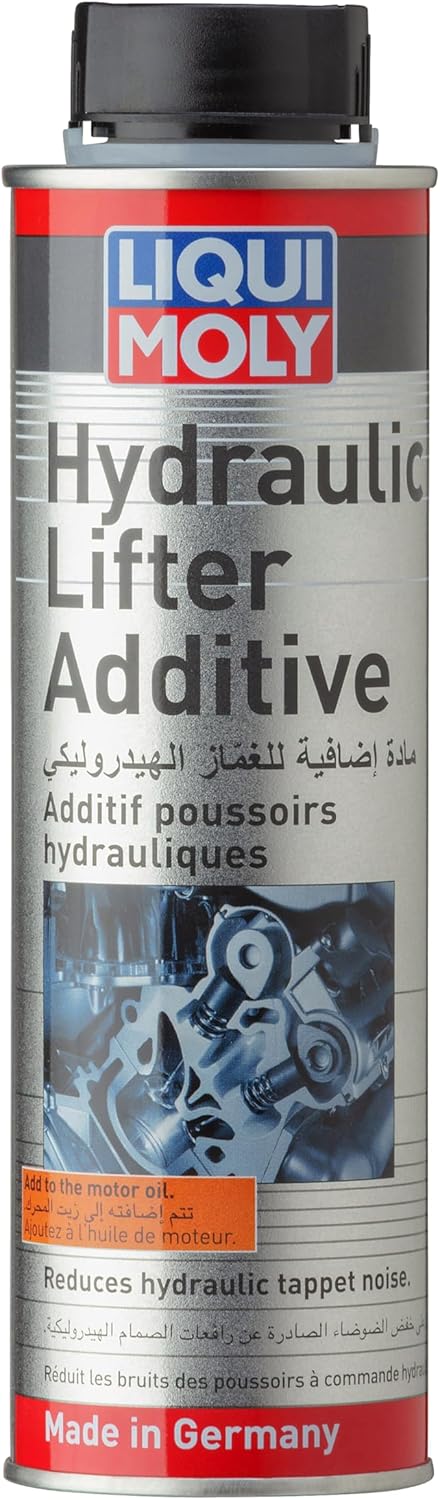
LIQUI MOLY – HYDRAULIC PUSH ADDITIVE (300 ML)
Liqui Moly SKU 8367 professional additive specifically designed to eliminate noise from hydraulic tappets. Improves lubrication, reduces friction, and optimizes engine operation. Compatible with all conventional and synthetic motor oils.
🛒 Buy now on Amazon6️⃣ Mistakes you should NEVER make
- ❌ Ignore the warning light for weeks
- ❌ Clear the error without fixing the cause
- ❌ Continue driving with the warning light flashing
- ❌ Using additives without criteria
- ❌ Refuel with poor quality fuel
- ❌ Delay maintenance of spark plugs, filters and oil
7️⃣ Can I continue driving?
| 🟡 Fixed light | Yes, but be careful. Go to the repair shop within 48 hours. |
| 🔴 Flashing light | NO. Stop immediately. |
8️⃣ Professional diagnosis: what is actually checked
In the workshop, a qualified technician checks:
- OBD-II error codes
- real-time data (sensor values)
- fuel pressure
- catalyst efficiency
- lambda probe values
- turbo boost and wastegate operation
- DPF clogging percentage
- quality regeneration
- EGR / SCR / AdBlue parameters
- coil and injector testing
A good diagnosis helps avoid unnecessary repairs.
9️⃣ Average repair costs (estimated 2026)
- Lambda probe: €120–300
- Candles + coils: €80–250
- GDI petrol injector: €200–500 each.
- EGR valve: €250–500
- MAP/MAF sensor: €70–250
- DPF problem/regeneration: €150–€600
- NOx sensor: €250–600
- Catalytic converter: €400–€1,200
❓ Frequently Asked Questions
Can the light turn off by itself?
Yes, if the fault was temporary. But the ECU still stores the code: it should be checked.
Can I clear the error with an OBD reader?
You can, but it's not recommended: an unresolved cause causes worse damage.
Can I go on a long trip with the engine light on?
Only if it's fixed and the car doesn't exhibit any abnormal symptoms. In any case, a preventive diagnosis is best.
🏁 Conclusions
The engine warning light is an important warning that should never be ignored. In 2026, with cars packed with sensors, turbo systems, EGR, DPF, and advanced electronic management, taking immediate action means avoiding costly breakdowns, high fuel consumption, and risks to the catalytic converter and engine .
👉 For reliable diagnosis, original spare parts and technical support you can contact Autoricambi Tritella .


