

CITROËN C3 2024–2025 – CLUTCH AND MANUAL GEARBOX PROBLEMS: COMPLETE GUIDE
In recent months, reports have increased regarding the 2024–2025 Citroën C3 equipped with a manual transmission . The most common problems include premature clutch wear, pedal stiffness, difficult gear changes, and, in some cases, slipping when starting or going uphill. In this article, we analyze the real causes , the symptoms that should not be ignored , and the most effective solutions , based on data from workshops and feedback from European drivers.
Read also: CITROËN C3 2025: THE MAIN ISSUES TO KNOW BEFORE PURCHASING

MOTOPOWER MP00205A – 12V 800mA BATTERY CHARGER/MAINTENANCER
Fully automatic 12V battery charger and maintainer – ideal for cars, motorcycles, ATVs, RVs, boats, and powersports vehicles. Smart, compact, and eco-friendly, it keeps your battery in tip-top condition thanks to automatically controlled charging and built-in protection against overload and reverse polarity.
🛒 Buy now on Amazon📋 WHAT YOU WILL FIND IN THIS ARTICLE
THE MOST AFFECTED MODELS: DRY CLUTCH, 1.2 PURETECH AND MA5/MB6 GEARBOX
The most consistent reports come from owners of the following versions:
- 1.2 PureTech 75 HP (aspirated, often used in the city)
- 1.2 PureTech 100 HP (turbo, higher torque at low revs)
Both engines use a single-plate dry clutch paired with the Stellantis Group's MA5/MB6 manual transmissions. This is a widespread, economical, and lightweight combination, but it shows clear limitations when subjected to:
- intense urban driving (continuous stop & go),
- restarts uphill or on garage ramps,
- high loads with full vehicle or air conditioning on,
- use of the “support” clutch in queues,
- sporty driving style with frequent acceleration.
The 100 HP 1.2 PureTech turbo, in particular, has a low-rev torque that can put more stress on the disc when starting off, especially if the pedal is not perfectly calibrated or if the driver tends to “point” the clutch when slowing down.
Real examples reported by motorists and workshops
- 🔧 A French owner replaced the clutch at just 32,000 km due to noticeable slippage on uphill gradients.
- 🛠 An Italian specialist workshop recorded 5 interventions on a 2025 C3 in less than a year, all with similar symptoms: hard pedal, difficult gear changes, and metallic noises when decelerating.
- ⚠️ On several examples, a progressive hardening of the pedal has been reported as early as 10,000–15,000 km , a typical symptom of abnormal wear of the thrust bearing or excessive heat in the clutch assembly.
These cases don't indicate a structural defect on all C3s, but they do demonstrate a recurring trend : the manual PureTech's dry clutch is sensitive to driving style and conditions. More frequent maintenance and less "traffic-related" driving significantly reduce the risk of premature failure.
STELLANTIS 1.2 PURETECH GEN 3 RECALL (2023–2025)
Official recall for the 1.2 PureTech Gen 3 engine due to a possible fire risk related to leaks and abnormal overheating. Here are the affected models, the symptoms you shouldn't ignore, and what to do immediately to stay safe.
⚠️ Read the official recallCOMMON SYMPTOMS OF THE PROBLEM (HOW TO RECOGNIZE THEM IMMEDIATELY)
On a 2024–2025 Citroën C3 with a manual transmission , signs of a failing clutch or improperly calibrated control are often recognizable early. Identifying them early can help avoid more costly damage, such as a damaged dual-mass flywheel or a broken release bearing.
Here are the most common symptoms encountered by motorists and Stellantis group workshops:
-
Progressive pedal hardness
When the clutch gradually becomes harder over time, the most common cause is a worn clutch cable or clutch release bearing . In some cases, the release bearing begins to malfunction, causing abnormal friction. -
First or reverse gear difficult to engage (especially when cold)
This behavior is typical of:- clutch that does not disengage completely,
- gearbox oil too thick at room temperature,
- synchronizers that begin to lose efficiency.
-
Skidding when going uphill or accelerating
If the engine revs up when you increase the throttle but the speed doesn't keep up, the clutch is starting to lose grip on the flywheel . This is one of the most important symptoms you shouldn't ignore: continuing to use it like this can burn out the disc. -
Vibrations, scraping or metallic noises when the pedal is released
They can derive from:- deformed clutch disc,
- weakened shock absorber springs,
- worn thrust bearing,
- engine/gearbox silent blocks that no longer absorb stress well.
-
Irregular or poorly progressive pedal travel
You may experience a "jumping" sensation, a sudden jerk, or an uneven running. Typical causes include:- clutch system not aligned,
- wear of the pedal pivot hole,
- disk that has taken on excessive heat.
In the workshop, these symptoms are considered "alarm bells" that indicate a possible clutch replacement within a few months, especially if the car is used mainly in the city.
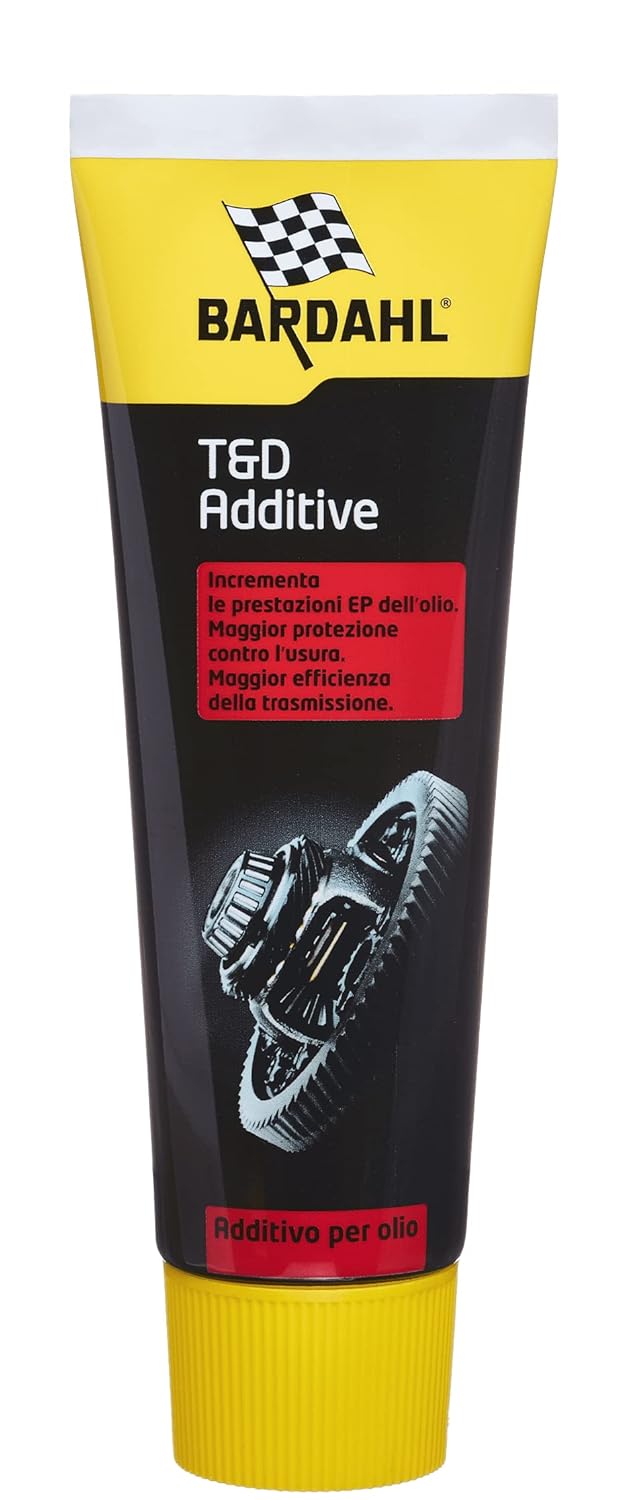
BARDAHL T&D ADDITIVE – TRANSMISSION AND DIFFERENTIAL OIL TREATMENT
Professional additive for transmission and differential oils , ideal for reducing friction, wear, and operating temperatures. It acts as an anti-welding and anti-seize agent , improving the smoothness of mechanical parts and extending the life of manual transmissions and differentials. 250 ml container.
🛒 Buy now on AmazonMAIN CAUSES: WHAT'S REALLY BEHIND THE PROBLEM
Clutch failures on 2024–2025 Citroën C3s with manual transmissions aren't caused by a single defect, but by a combination of technical and usage factors. Let's analyze the most common causes encountered by Stellantis Group repair shops and spare parts dealers.
1️⃣ Clutch too small for some riding styles
The 1.2 PureTech engine, especially the 100 hp turbo version, delivers significant torque even at low revs. This is positive in terms of acceleration, but it also means that:
- every restart unloads a lot of torque onto the disc,
- the clutch works more "at the limit" in city traffic,
- Frequent climbs or maneuvers significantly increase the temperature of the group.
On some models, the dry single-plate clutch is simply not very tolerant to this type of continuous stress.
2️⃣ Friction materials sensitive to heat and wear
From the mechanics' analysis it emerges that some batches of clutch discs show a common behavior:
- normal cold performance,
- rapid decay above 150–170°C ,
- early slippage and loss of grip when warm.
These temperatures are typical of:
- heavy stop-and-go traffic,
- uphill restarts,
- driving with heavy loads,
- prolonged use of the clutch as a “support” in queues.
Once “glazed,” the friction material loses grip and slippage rapidly worsens.
3️⃣ Pedal calibration not always optimal
Many cases of hard clutch, irregular travel or difficult shifting are not due to an immediate failure, but to a poorly calibrated control adjustment .
The most common problems are:
- excessive or too little pedal play,
- take-off point too high or too low,
- control cable that settles after the first 5,000–10,000 km.
When the pedal is not properly calibrated, the clutch may not disengage completely, creating:
- difficulty engaging first/reverse gear,
- “granular” grafts,
- excessive stress on the disc.
4️⃣ Sensitive gearbox synchronizers (MA5/MB6 Stellantis)
Many manual C3s use Stellantis MA5/MB6 series manual gearboxes, which have notable features:
- “rubberized” gear changes in the first few minutes of driving,
- delicate first and rear sync,
- oil that must heat up to work smoothly.
If the clutch disc doesn't disengage properly, the synchronizers suffer, and consequently the shifting experience worsens. Over the long term, this can cause:
- cold hardening of grafts,
- pedal bouncing,
- metallic noises when climbing.
5️⃣ Engine/gearbox silent blocks losing effectiveness
Another element not to be underestimated: the engine and gearbox mounts. When they begin to stiffen or give way, they cause:
- vibrations when releasing the clutch,
- jerks in departures,
- metallic noises heard in the floor.
This is not a defect specific to the C3 alone, but in small cars with small engines and high torque it can accentuate clutch assembly problems.
WHAT TO DO: SOLUTIONS AND PRACTICAL ADVICE (VALIDATED BY WORKSHOPS AND MECHANICS)
The good news is that most clutch problems on the 2024–2025 Citroën C3 can be prevented or managed with small changes. Some solutions are simple driving habits, others require a targeted check in the workshop. Here are the most effective actions.
🔧 1. Check and adjust pedal play at every service
Improper adjustment of the control is among the most underestimated causes of difficult engagement and premature wear.
In the workshop it is essential to check:
- initial pedal play ,
- take-off point (it should be neither too high nor too low),
- possible cable settling in the first 10,000 km,
- pedal pivot lubrication .
This simple operation can increase the life of the disc by 20–30% on city routes.
🛑 2. Don't hold the clutch down at traffic lights or in traffic jams
This is the habit that most quickly damages a dry clutch. Pressing and holding the pedal generates:
- continuous heat on the clutch cover,
- stress on the thrust bearing,
- prolonged friction on components.
Correct solution: When in traffic or at traffic lights, apply the handbrake and shift into neutral. It's good for the clutch and also for your left foot.
💪 3. If a replacement is needed, ask for a reinforced clutch
The OEM kits for the C3 are sufficient for normal use, but if the car is driven a lot in the city or often goes uphill, a reinforced set can make the difference.
Recommended models (premium aftermarket):
- Valeo Premium / High Torque
- Sachs Performance
- Improved LUK RepSet
Real benefits:
- superior heat resistance,
- more stable friction materials,
- lasts up to 40% longer than the original .
For those who use the car in the city every day, it is the most convenient option in the long term.
🧊 4. Hard shifting when cold? Consider a higher-quality transmission fluid.
Stellantis MA5/MB6 manual gearboxes significantly improve shifting with oils:
- low viscosity at cold temperatures ,
- with anti-friction additives ,
- with improved thermal stability .
Preventive oil replacement with premium products is widespread in specialized workshops, which improves:
- the first and reverse gear engagement,
- the fluidity in the first minutes of the march,
- synchronizer protection.
An inexpensive but very effective intervention.
👃 5. Burning smell? Stop immediately and have the clutch checked.
The smell of “burnt” clutch is the first sign of:
- disk overheating,
- abnormal or excessive friction,
- slippage in progress.
Continuing to drive in the same conditions can damage:
- clutch disc,
- push plate,
- flywheel (the most expensive part).
An immediate check can avoid hundreds of euros in damage.
🧪 6. For heavy city driving: more frequent check intervals
In case of heavy use (traffic, hills, continuous starts), it is advisable to:
- carry out clutch checks every 10,000–15,000 km ,
- check the condition of the thrust bearing,
- check silent blocks and engine/gearbox mounts.
Many problems arise precisely from the combined wear of the components "around" the clutch.
MISTAKES TO AVOID (WHICH CAN MAKE THE PROBLEM WORSE)
Even a clutch that starts to show little signs of wear can still last for many kilometers, but only if handled correctly. Here are the most common mistakes that, according to Stellantis repair shops, accelerate failure or increase repair costs.
-
⛔ Putting off the replacement too much
A slipping or vibrating clutch disc doesn't heal itself. Continuing to use it can seriously damage:- the flywheel (the most expensive part to replace),
- the thrust bearing ,
- the push rod .
-
🔊 Ignore vibrations, jerks, or metallic noises
These signs almost always indicate that something is wrong: a warped disc, broken damper springs, hardened silent blocks, or an out-of-adjustment pedal. Immediate intervention often allows you to save at least part of the clutch assembly . -
💻 Rely only on electronic diagnostics
The clutch, being a mechanical component, almost never generates OBD errors . Even with a "clean" diagnosis, the problem can be present and rapidly worsen. Therefore, the inspection must be:- visual,
- mechanics,
- based on road test.
-
🔥 Continue driving with a strong burning smell
This means the disc is operating beyond its maximum temperature. A few kilometers like this can cause the friction material to "vitrify," making a complete replacement inevitable. -
⚙️ Fitting poor quality or unsuitable spare parts
Especially on modern small cars, cheap materials = very short lifespan. On the C3, it's advisable to stick with:- Valeo, Sachs, Luk (reinforced or premium versions),
- kit with correct specification for PureTech engine torque.
-
🚗 Driving “by friction” in slow maneuvers
Holding the pedal halfway in tight spaces or in traffic increases the temperature of the disc in a matter of seconds. One of the most harmful habits of all.
Following these instructions can reduce the risk of having to replace the clutch prematurely by 40–60% .
Frequently Asked Questions
Does the clutch on the 2025 C3 last less than on previous models?
Yes, many drivers report faster wear, especially during urban driving and frequent start-offs.
Does the warranty cover the clutch?
It depends: if the defect is classified as a manufacturing issue, yes. If it's considered wear and tear, generally no.
Are there clutches that are more durable than the original?
Yes: Valeo, Sachs and LUK reinforced kits offer up to 40% greater durability.
Can it be improved without replacing the clutch?
Yes: pedal adjustment, improved transmission fluid, and software updates when available.
CONCLUSIONS
Clutch problems on the 2024–2025 Citroën C3 aren't inevitable, but they represent a real problem for those who frequently drive in the city or make frequent stops. Recognizing the symptoms early and taking targeted action can help avoid more costly damage and maintain long-term reliability.
For spare parts, reinforced clutches, and technical support, visit autoricambitritella.it .


