

Home › Car Problems › Stelvio 2.2 Diesel: DPF, EGR, and sensors
ALFA ROMEO STELVIO 2.2 DIESEL: DPF, EGR, AND SENSOR PROBLEMS (AND WHY IT DEPENDS ON USAGE)
Updated February 2026 — by Gianni Tritella.
This article is a technical focus exclusively dedicated to the Alfa Romeo Stelvio's 2.2 Diesel engine: the most common version and, in most cases, also the most "rational" choice for those who drive many kilometers. The key point is simple: the most frequent problems are not sudden breakdowns, but criticalities related to usage (short trips, interrupted regenerations, delayed maintenance).
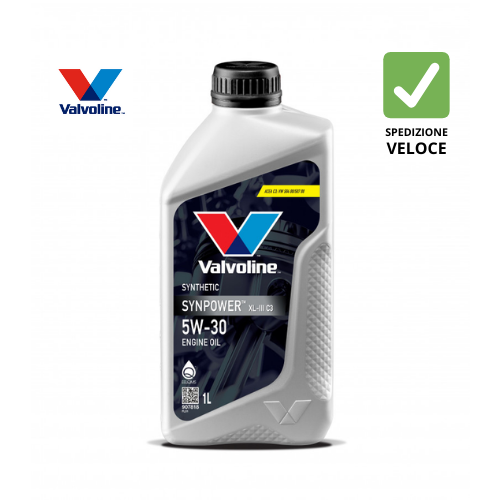
907818 VALVOLINE – SYNPOWER XL-III C3 5W-30
100% synthetic Low SAPS engine oil, specifically for Euro 4 / Euro 5 diesel engines with DPF. Ideal for urban use and early oil changes to reduce degradation, frequent regenerations, and stress on the after-treatment system.
🛒 Buy NowFor a complete overview of defects, recalls, and general reliability since 2017, read the main guide: ALFA ROMEO STELVIO PROBLEMS: DEFECTS, RECALLS, AND RELIABILITY SINCE 2017
📢 IMPORTANT NOTE (REAL-WORLD USAGE)
If the Stelvio 2.2 Diesel is driven mostly in the city, the car might "seem faulty" even when it's mechanically sound: the DPF/EGR system operates outside its ideal scenario. In these cases, diagnosis must be done with data, not guesswork.
📋 WHAT YOU'LL FIND IN THIS GUIDE
✅ WHY PROBLEMS DEPEND ON USAGE (AND NOT JUST THE ENGINE)
The 2.2 Diesel is designed to work best when it reaches correct temperatures and can complete its after-treatment strategies. However, when the Stelvio is used for short trips and frequent shutdowns, three things happen:
- Interrupted DPF regenerations → soot accumulates faster.
- Engine oil degradation (also due to fuel dilution) → sensors and strategies become more "nervous."
- EGR and intake often operate at low temperatures → more residues and deposits.
If you want to understand the basic logic (and how to prevent sludge and lubricant degradation), also read: ENGINE SLUDGE: WHAT IT IS, WHY IT FORMS, AND HOW TO PREVENT SERIOUS DAMAGE
If your Stelvio 2.2 Diesel is used predominantly in the city, think in terms of "severe" maintenance: more frequent servicing, correct specification oil, preventive diagnosis before warning lights appear.
🔥 CLOGGED DPF: FREQUENT REGENERATIONS, FUEL CONSUMPTION, AND WARNING LIGHTS
On the Stelvio 2.2 Diesel, the DPF is one of the most "talkative" components: when it gets into trouble, it signals with quite clear signs. The typical problem is not "a broken filter," but a filter that cannot regenerate properly due to usage.
REAL SYMPTOMS
- Frequent regenerations (increasingly often).
- Increased fuel consumption for no apparent reason.
- Fan always active even after shutdown.
- Smell of burning or "hot iron" at the end of the journey.
- Engine/DPF warning light or messages related to the anti-pollution system.
TYPICAL CAUSES (WHAT WE REALLY SEE)
- Urban use and short trips: the system does not complete regeneration.
- Interrupted regenerations multiple times in a row (shutdowns).
- Degraded oil (also due to fuel dilution).
- DPF sensors (pressure/temperature) sending inconsistent values and "polluting" the strategy.
🧪 WHAT TO CHECK IN DIAGNOSIS (BEFORE "CLEARING ERRORS")
The worst (and most expensive) thing is to treat the DPF as a "software" problem to be reset. On the Stelvio 2.2 Diesel, a proper diagnosis with these checks is needed:
| What to check | Why it's decisive |
|---|---|
| DPF differential pressure | Indicates if the filter is actually loaded or if the sensor is "reading incorrectly." |
| Km/time since last regeneration | If it regenerates too often, there's a cause: usage, sensors, strategy, or unfulfilled conditions. |
| Temperatures (exhaust/DPF) | If targets are not reached, regeneration does not complete. |
| Oil status (degradation/dilution) | Degraded oil = more cascading problems (sensors, regenerations, protections). |
THE CORRECT SOLUTION (IN ORDER)
- True diagnosis: data, regeneration logic, sensor plausibility.
- Strategy restoration (when necessary) without "resetting and hoping."
- Guided regeneration only if allowed and with conditions met.
- Correction of usage/maintenance: if urban use, it must be managed as such.
♻️ DIRTY EGR: HESITATION, SMOKE, AND LOSS OF POWER AT LOW REVS
The EGR valve on the Stelvio 2.2 Diesel can progressively get dirty, especially with city use and low temperatures. The typical result is an engine that becomes less smooth at low speeds, with sometimes intermittent errors.
TYPICAL SYMPTOMS
- Hesitation under light load and low RPMs.
- Loss of responsiveness at low engine speeds.
- Smoke during acceleration under certain conditions.
- Engine light and codes related to air flow/EGR.
WHAT TO CHECK (WITHOUT CHANGING PARTS "RANDOMLY")
- EGR parameters in diagnosis (command vs. response).
- Related errors (including historical) and conditions of appearance.
- Intake/manifold status if the engine has many miles or frequent urban use.
"Cleaning" without diagnosis can be a temporary fix: if the DPF regenerates too often or the oil is degraded, the EGR will get dirty again. A complete strategy is needed here: DPF + maintenance + sensor verification.

BARDHAL 2004328 – DIESEL EGR VALVE CLEANER
Specific for EGR and intake cleaning in diesel engines. Helps reduce deposits, hesitation, and loss of power at low revs, ideal for vehicles with frequent urban use.
🛒 Buy Now⚠️ "GHOST" SENSORS: INTERMITTENT ERRORS AND LIMP MODE
On many modern diesels, including the Stelvio 2.2, some problems arise from sensors sending inconsistent values (pressure/temperature/readings related to after-treatment). The engine can enter protection mode even without a real mechanical fault.
MOST COMMON SYMPTOMS
- Intermittent engine light that disappears and then returns.
- Limp mode (reduced power) not always repeatable.
- "Rotating" errors that change without a clear pattern.
CORRECT WORKSHOP APPROACH
- Compare actual vs. expected values (not just reading the DTC).
- Check wiring, grounds, and connector conditions.
- Perform plausibility tests: if the data "jumps," the problem is often electrical/contact-related.
- Avoid "trial and error" replacements: it's the most expensive route.
🛢️ PREVENTION: EARLY OIL CHANGE (IF YOU DRIVE IN THE CITY) AND GOOD HABITS
The most effective (and often underestimated) advice for the Stelvio 2.2 Diesel is this: if you do a lot of city driving, consider changing the oil earlier than the theoretical maximum. It's concrete prevention, especially if the vehicle regenerates frequently.
WHY IT REALLY WORKS
- Reduces risks related to fuel dilution and lubricant degradation.
- Stabilizes after-treatment strategies (DPF/EGR) over time.
- Helps prevent cascading accumulations and deposits.
HABITS THAT HELP THE DPF
- Avoid repeated shutdowns if you suspect a regeneration is in progress (fan/hot smell).
- Periodically include an extra-urban/highway stretch to stabilize temperatures.
- Always use oil with the correct specification for diesels with DPF.
❓ FREQUENTLY ASKED QUESTIONS (FAQ)
Is it normal for the Stelvio 2.2 Diesel to regenerate often?
If urban use with short trips, it can happen. However, if regenerations become very frequent, a diagnosis should be performed: differential pressure, temperatures, and sensor plausibility are the first checks.
Can I solve it by clearing DPF/EGR errors?
No. Clearing errors without resolving the actual cause often worsens the situation: the system tries again, the filter loads up, and then protection mode kicks in. Correct diagnosis and strategy are needed.
If I drive a lot in the city, how often should I change the oil?
Generally, before the theoretical maximum interval. Urban use degrades oil faster (fuel dilution, humidity, thermal cycles). A prudent choice is to change it earlier, especially if the vehicle regenerates frequently.


